WIPP: Lessons in transportation safety

May 13, 2026, 11:55AMRadwaste SolutionsMatt Bowen, Hamna Khan, and Rama T. Ponangi
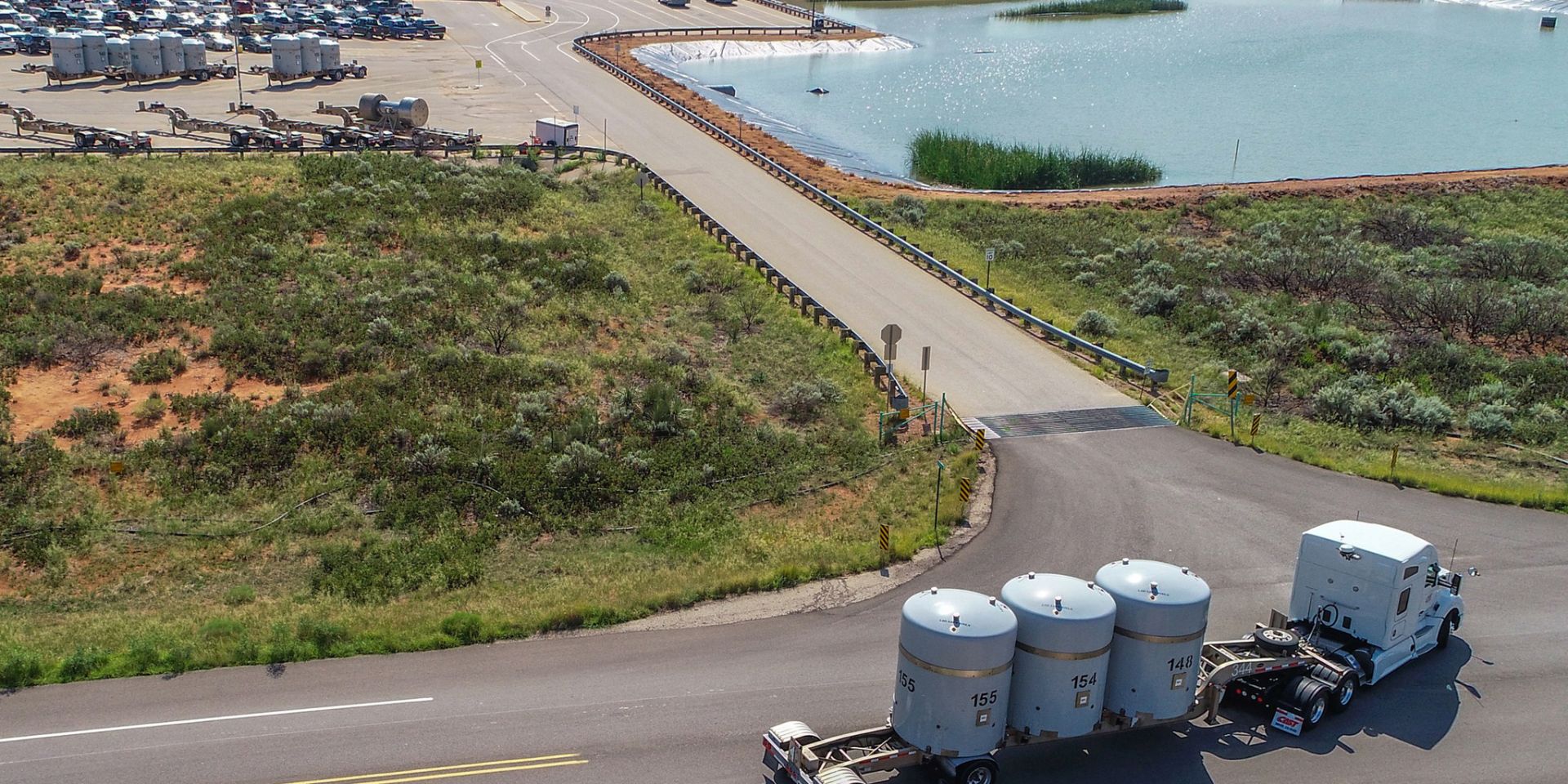
A truck loaded with TRUPACT shipping containers pulls into the WIPP site in New Mexico. (Photos: WIPP)

As part of a future consent-based approach by the federal government to site new deep geologic repositories for nuclear waste, local communities and states that are considering hosting such facilities are sure to have many questions. Currently, the Waste Isolation Pilot Plant in New Mexico is the only example of such a repository in operation, and it offers the opportunity for state and local officials to visit and judge for themselves the risks and benefits of hosting a similar facility. But its history can also provide lessons for these officials, particularly the political process leading up to the opening of WIPP, the safety of WIPP operations and transportation of waste from generator facilities to the site, and the economic impacts the project has had on the local area of Carlsbad, as well as the rest of the state of New Mexico.

New nuclear criticality safety standard issued

July 24, 2024, 12:00PMANS News

ANSI/ANS-8.28-2024, Administrative Practices for the Use of Nondestructive Assay Measurements for Nuclear Criticality Safety, was issued on July 15 after receiving approval of the American National Standards Institute in March.

ANSI/ANS-8.28-2024 is now available for purchase in the ANS Online Store.

Requested NRC budget tops $1 billion

March 24, 2023, 12:00PMNuclear News

The White House’s recently released budget request for fiscal year 2024 would provide $1.006 billion in gross budget authority for the Nuclear Regulatory Commission—an increase of $63.2 million, or about 6.7 percent, from the enacted FY 2023 level. According to the agency, the boost is largely for increased salaries and benefits “consistent with the Office of Management and Budget guidance.”

NWTRB welcomes new executive director

November 15, 2022, 3:00PMANS News

Ogg

Daniel Ogg, ANS member since 1985, has been selected as the executive director of the U.S. Nuclear Waste Technical Review Board.

Earlier in his career, he worked at the U.S. Defense Nuclear Facilities Safety Board and served in the U.S. Navy aboard a nuclear-powered submarine.

Ogg has a B.S. in engineering from the University of Washington and an M.S. in nuclear engineering from the University of California—Berkeley.

About the NWTRB: The mission of the NWTRB is to perform unbiased and ongoing technical and scientific peer review of the Department of Energy’s nuclear waste management activities.